
Chapter 4

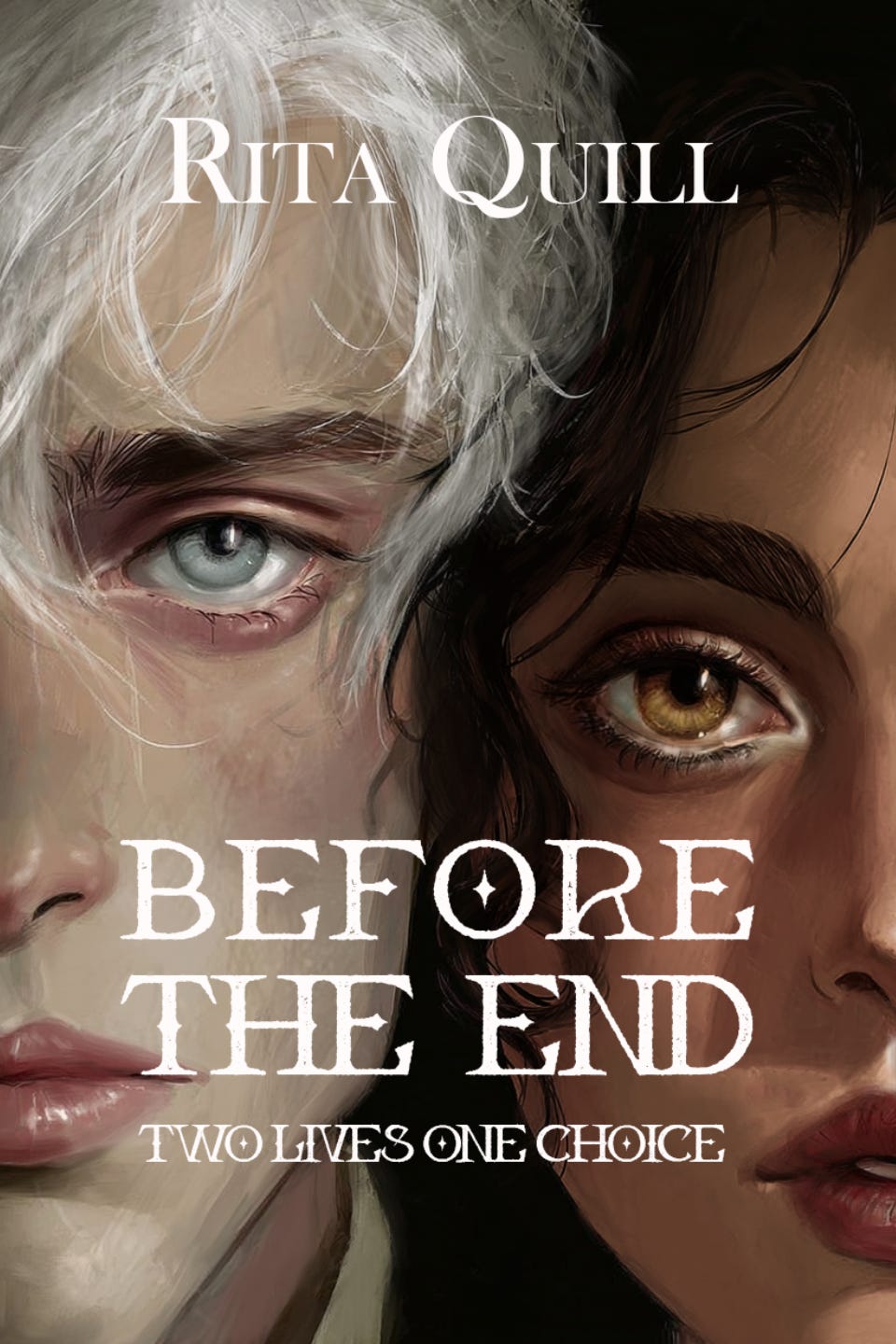
Oren felt the speed before he felt the hit.
His body lurched sickenly forward, going too fast and being pushed faster, as if gravity had decided to hurry things along.
Metal screamed against metal. The pressure in his chest arrived so suddenly that it stole the air from him before he realized he needed it. Light burned white, then red, then a color he couldn’t name. His body felt like liquid, folded in on itself, in the wrong angles. It all felt too tight, as if the space around him had shrunk without warning.
He tried to move and couldn’t.
He tried to breathe and felt something collapse instead.
Sounds flared in his eardrum, so violent that it seemed to pass through him. Glass breaking. Bones shattering. The dull, final thud of something heavy coming to rest.
Oren woke with a shout caught halfway in his throat.
The shed snapped into place around him. The low ceiling with the beam split in the middle. The window over the sink. The hum of the mini fridge. For a few seconds, he lay entirely still.
Just a nightmare.
But his heart hammered so hard it made his ribs ache. His hands shook.
When he sat up, the world tipped dangerously to the left. He barely made it to the bathroom before retching, nothing coming up but bile and air.
When the nausea passed, he stayed there, forehead against the cool porcelain, sweat running a damp line down his spine.
It’s just a nightmare, he told his racing heart again.
But his body did not agree.
Because his chest felt bruised and tender, like he’d just taken a blow there. His jaw ached. One knee throbbed dully, the pain unfamiliar and specific enough to make him frown. He flexed his fingers and felt a brief, sharp flash in his wrist, gone as quickly as it came.
He checked the time. 3:34 a.m.
Outside, everything lay quiet: the main house with its lights turned off, the neighborhood in silence. He couldn’t hear any sirens or any signs that anything had happened at all.
He rinsed his mouth and splashed water on his face. His reflection looked the same. Pale. Tired. Still, nothing visibly wrong. But his stomach churned as if he might get sick again, as if the ground beneath him shifted.
Back in bed, he lay on his side, knees drawn up without quite knowing why. He waited for sleep to return.
Instead, fragments of the dream resurfaced.
The spinning lights of police cars. The smell of burnt rubber so strong it tasted like acid on his tongue. The cold realization that there was no way out.
He squeezed his eyes shut until the images dissolved.
By morning, he felt wrung out. His limbs were heavy, his head pounding, like he’d been drinking instead of sleeping. He moved through the routine of getting ready with a faint, persistent tremor under his skin.
At the door, he hesitated. He didn’t think of himself as superstitious, but he left his car keys on the hook and took the bus. When his mother asked him why, he told her the car was having trouble and needed to be checked out. It sounded like a blatant lie even to his own ears, but the idea of getting on the highway after that dream made his stomach twist.
At work, he dropped a clipboard because his hand wouldn’t quite close around it. The sound echoed louder than it should have. He stood there for a second too long before picking it up, aware of his pulse in his throat. Whatever was wrong with him, he decided, he would keep it to himself.
By the afternoon, the nausea had faded, but the unease hadn’t. It sat in him like a bruise you only noticed when you moved the wrong way.
That night, as he lay down again, he told himself it wouldn’t happen twice.
He was wrong.
And this time, the crash came faster.